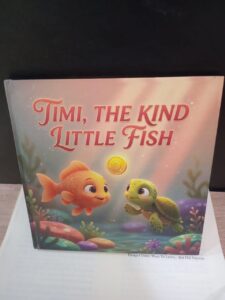

Hardcover Books: The Gold Standard of Professional Publishing
In professional publishing, format is not just a technical decision — it is a positioning decision. Among all book formats, the hardcover book stands at the top of the hierarchy. It is the format most associated with authority, permanence, and premium intellectual value.
For executives, authors, coaches, and thought leaders, choosing hardcover is often less about preference and more about perception: how do you want your work to be received?
What Exactly Is a Hardcover Book?
A hardcover book (also called a case-bound book) is a publication bound with rigid protective covers, typically made from thick cardboard wrapped in cloth, leather, or printed paper. Unlike paperback books, which are flexible and lightweight, hardcover books are designed for durability and long-term preservation.
Structurally, a hardcover book consists of:
A rigid cover (case binding)
High-strength spine reinforcement
Endpapers that connect the book block to the cover
High-quality internal paper stock
Durable stitching or adhesive binding system
The result is a book that feels solid, substantial, and premium in the hand.
Why Hardcover Books Signal Authority
Perception plays a critical role in publishing, especially for professionals building influence.
A hardcover book communicates three immediate messages:
- Permanence
Hardcover books are associated with longevity. They are designed to last for years — even decades. This creates the perception that the content is timeless, not temporary.
- Authority
When a book is hardcover, it is often assumed that the author has reached a higher level of expertise or recognition. Many traditionally published “serious works” — academic texts, leadership books, and institutional publications — are hardcover.
- Premium Value
The tactile experience of a hardcover book naturally elevates perceived value. Weight, texture, and finish all contribute to a sense of importance that paperback books rarely match.
Hardcover vs Paperback: A Strategic Comparison
The difference between hardcover and paperback is not just physical — it is strategic.
Hardcover books:
Higher perceived value
More durable and long-lasting
Ideal for branding, gifting, and authority positioning
Preferred for executive publishing
Often used for legacy and premium editions
Paperback books:
More affordable to produce
Easier to distribute widely
Better suited for mass-market or introductory content
Less emphasis on prestige
For professionals, the question is not which is better universally — but which is better for your positioning.
Why Executives and Thought Leaders Prefer Hardcover
High-level professionals do not publish books merely to share information. They publish to build influence.
Hardcover books are widely used by:
CEOs and founders
Corporate leaders
Coaches and consultants
Ministry leaders and authors
Public speakers and educators
This is because hardcover publishing supports key goals such as:
Personal branding
Corporate authority positioning
Speaker credibility
Client acquisition at premium levels
Legacy building
A hardcover book often becomes a “business card that cannot be ignored.”
Hardcover Books as Legacy Assets
Unlike digital content that disappears in feeds or paperback books that wear out over time, hardcover books are built for legacy.
They are often:
Displayed in offices and libraries
Gifted to partners, clients, and stakeholders
Archived for institutional reference
Used in corporate branding and storytelling
This makes them powerful tools for long-term influence.
When You Should Choose Hardcover Publishing
Hardcover is not necessary for every project, but it is highly recommended when:
You are building a personal or corporate brand
You want to position yourself as an authority
The book represents your flagship ideas or methodology
You intend to use the book for speaking, consulting, or corporate engagement
You are creating a legacy or premium edition
If your book is meant to shift perception; hardcover is the right format.
The Role of Design and Production Quality
Not all hardcover books are equal.
A truly premium hardcover book depends on:
Cover material selection (cloth, leather, laminated board)
Typography and layout precision
Spine design and alignment
Paper thickness and finish quality
Colour accuracy and print consistency
Binding strength and durability
Poor production undermines even the strongest content. Premium publishing ensures your message is supported by equally premium presentation.
Hardcover Publishing at Achievers Print
At Achievers Print, hardcover publishing is treated as a strategic branding tool, not just a printing service.
We focus on producing hardcover books that reflect:
Executive-level quality
Professional editorial standards
Strong visual identity
Durable, long-lasting construction
Premium finishing that aligns with your brand
Whether you are publishing a leadership book, corporate document, biography, or thought leadership work, the goal is the same: to position you correctly in the eyes of your audience.
Final Thought
A hardcover book is not just a container for content, it is a statement.
It tells the world that your ideas are not temporary, your expertise is not casual, and your voice is worth preserving.
For professionals who care about authority, influence, and legacy, hardcover publishing is not optional luxury, it is a strategic investment in perception.
If your message deserves to be remembered, it deserves to be hardcover.
https://www.instagram.com/reel/DZCcNmFOB73/?utm_source=ig_web_copy_link&igsh=MzRlODBiNWFlZA==